
Despite its focus on the war in Ukraine, Russia shows no signs of letting go of its legacy influence in Central Asia.
Embracing multi-vector foreign policies, Central Asian states have sought to balance external powers. While welcoming engagement from both the European Union and the United States, these former Soviet republics are navigating the geopolitical shifts caused by the Ukraine War as they seek to avoid overdependence on any single external power, particularly Russia and China.
Nonetheless, while regional governments seek greater autonomy from Moscow, they are not turning away from Russia entirely. In fact, Central Asian republics have deepened cooperation with Moscow in select areas in recent years. As a result, Western efforts to challenge Russia in the region will face significant challenges, even as Central Asian countries pursue a broader range of foreign policy options.
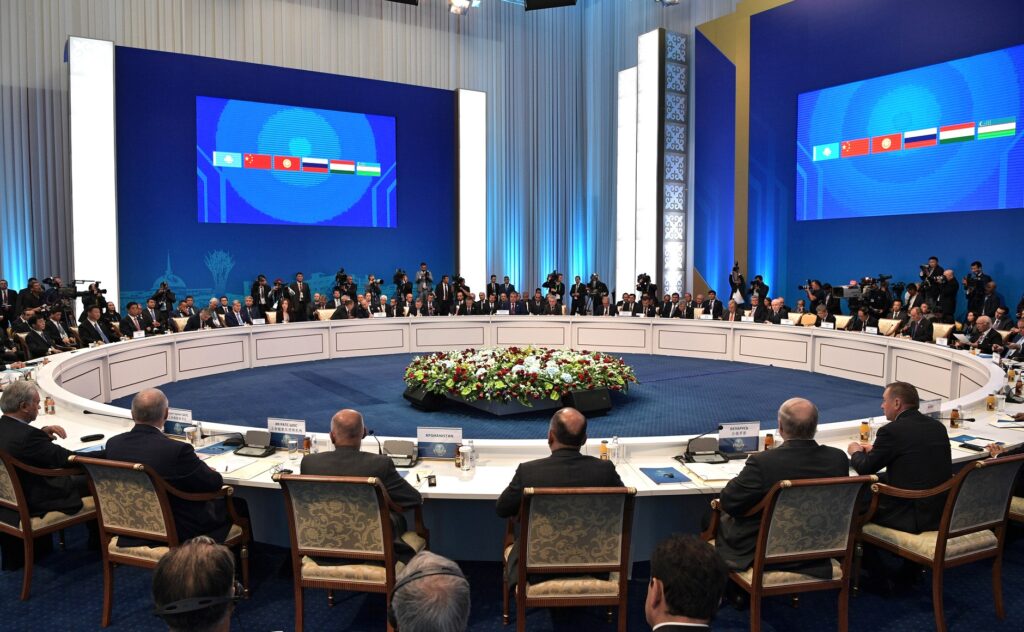
Central Asia’s ties to Russia are deeply rooted in the region’s Soviet past, with these nations maintaining strong connections in areas such as energy, trade, defense, and migration. With a military presence in Kazakhstan, Kyrgyzstan, and Tajikistan, Russia remains the primary security guarantor for the Central Asian republics. The Collective Security Treaty Organization (CSTO)—a military alliance that includes Russia and the Central Asian republics except Turkmenistan and Uzbekistan—reinforces this influence.
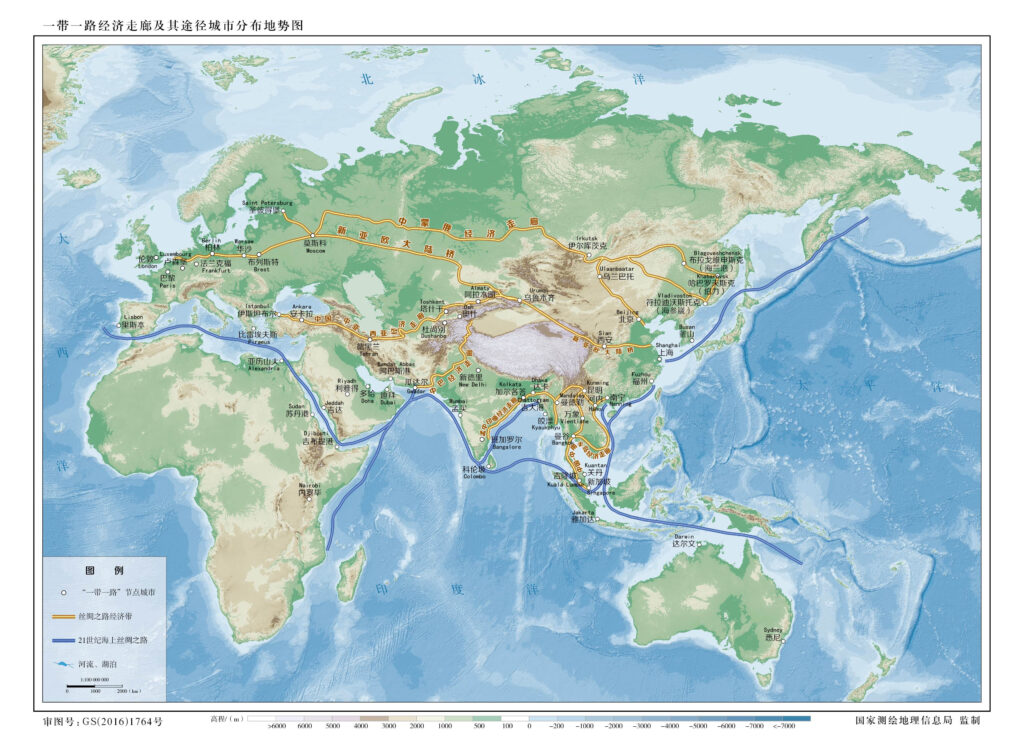
“Central Asia is finding itself at the epicenter of these two major axes of trade and has nothing to do but to welcome foreign investors who demonstrate more interest in working with this region than they used to do before February 2022,” Michaël Levystone, the co-founder of the New Eurasia Observatory, told this author.
Although the West seeks to build on its momentum in Central Asia, significant obstacles remain, complicating efforts by Washington and European capitals to pull the region’s states away from Russia. Economic, political, security, and geographical factors ensure that Central Asian republics will remain closely tied to Moscow and Beijing in ways that the West cannot alter.
At the same time, the West is far from monolithic, and the differences between the European Union and the United States cannot be overlooked. Levystone observed that the EU’s emphasis on democratic movements and reform agendas in Central Asia has proven “detrimental” to efforts to shift the region more decisively toward Europe, particularly among Central Asia’s political elites.
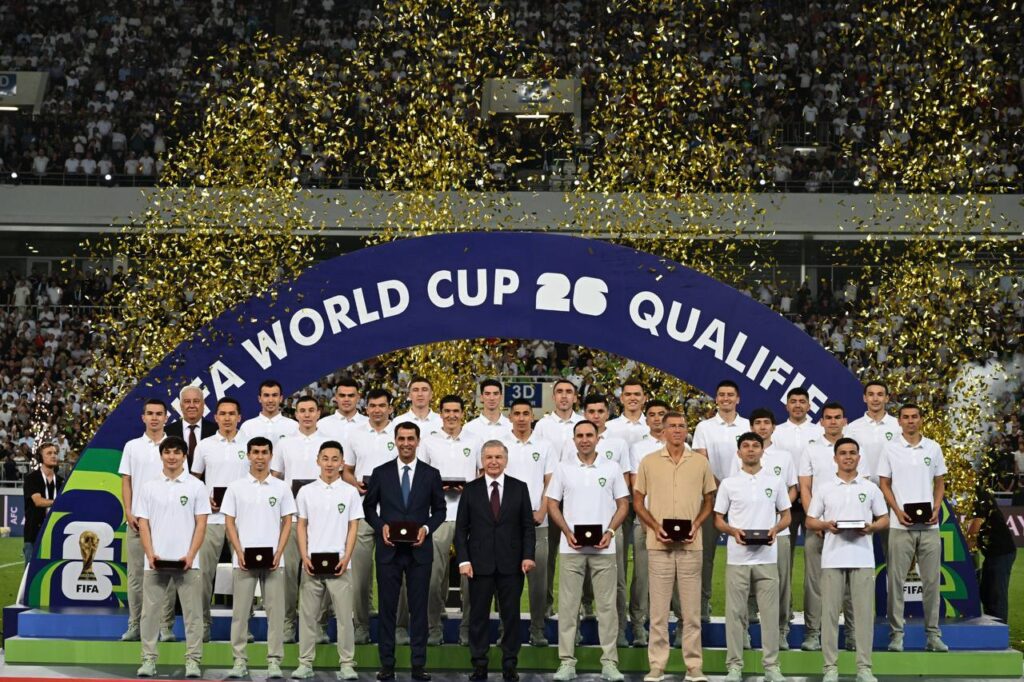
© Firdavs Kulolov, Wikimedia Commons.